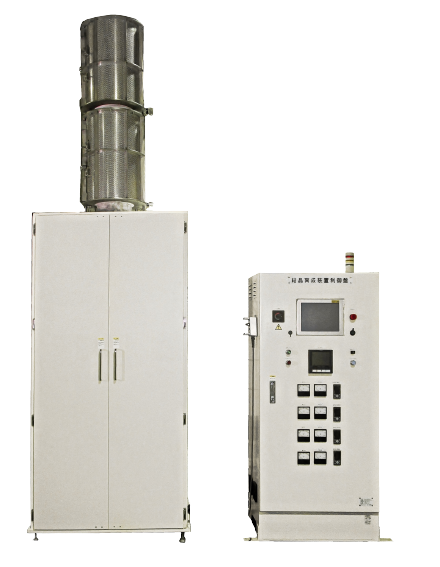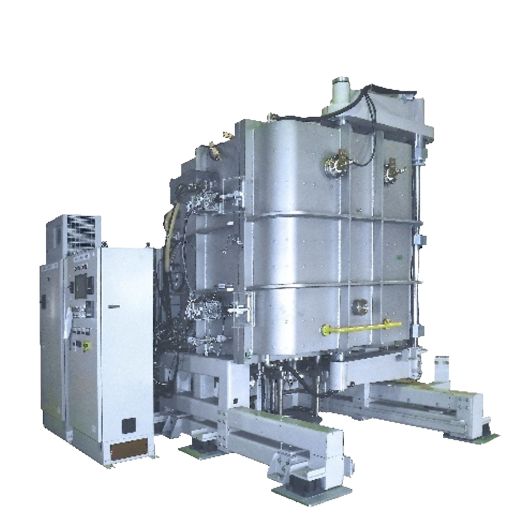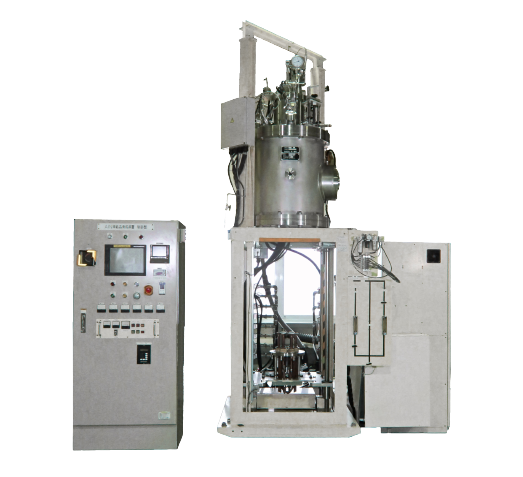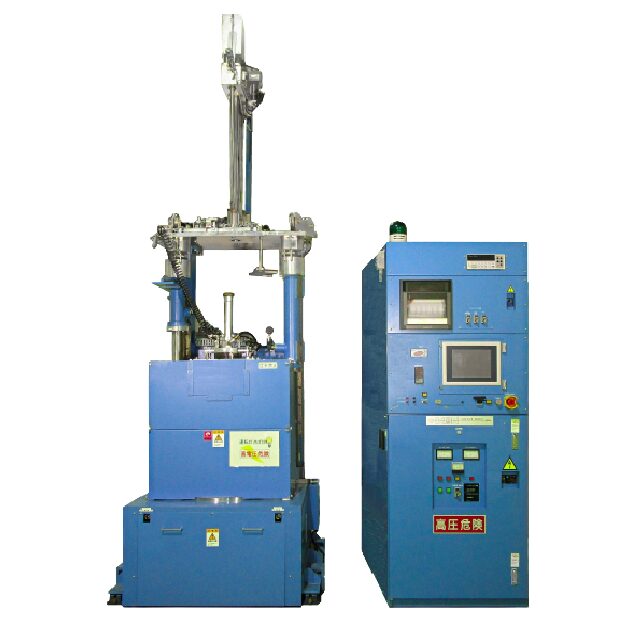
For Pre-Installation Testing and Prototyping

Open Lab

We support pre-installation validation and customization studies.
Our facilities accommodate a wide range of processes, including melting, hot pressing, and crystal growth.

What is the Open Lab?

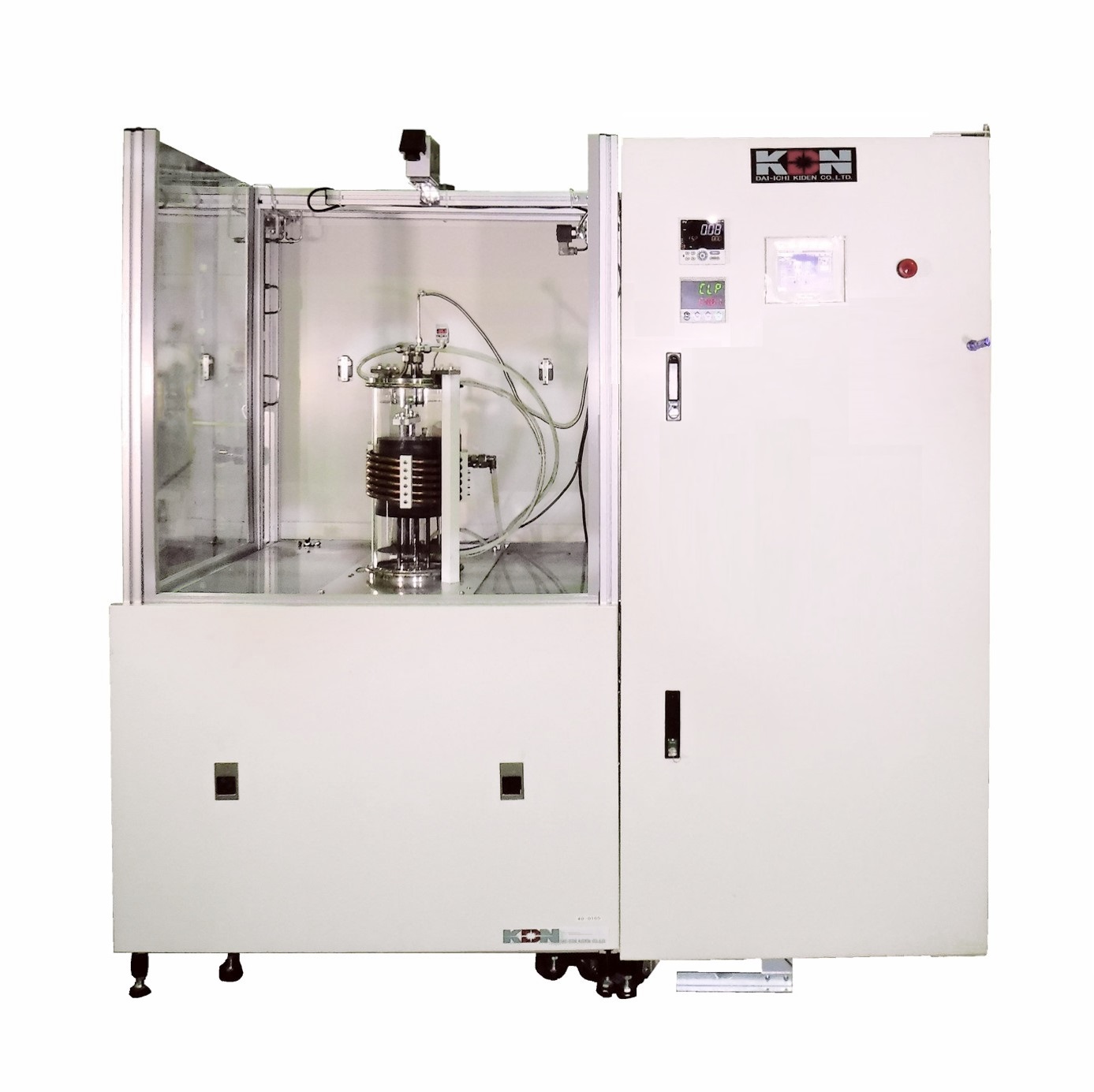
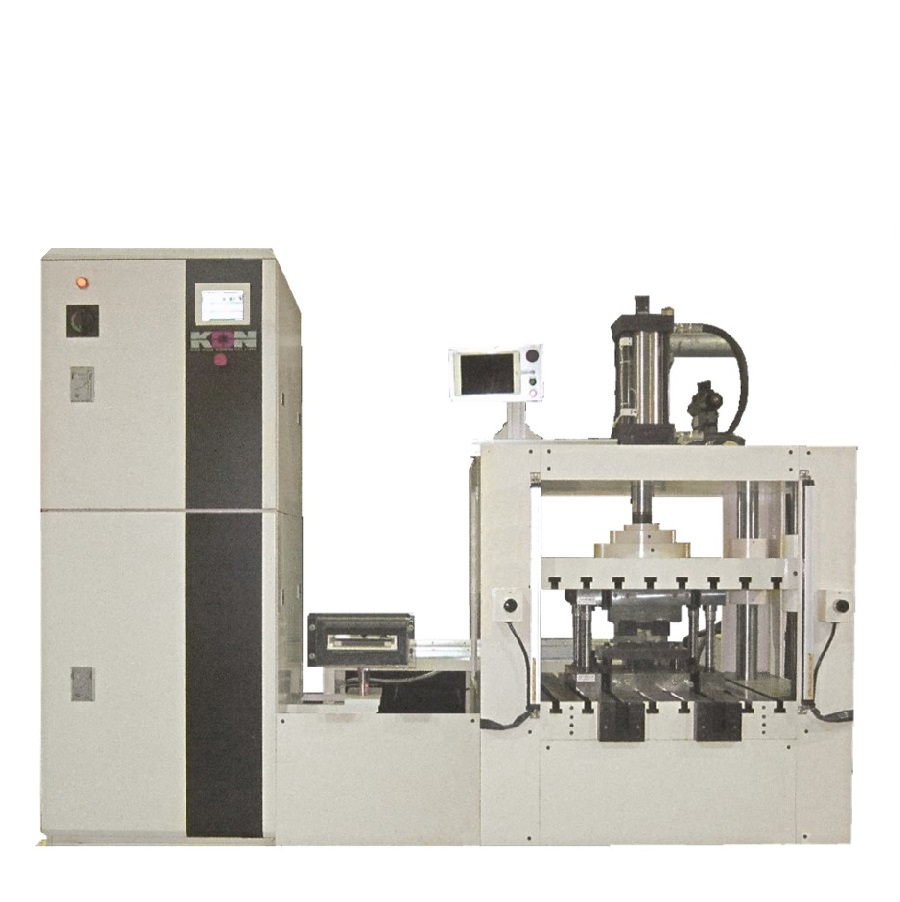
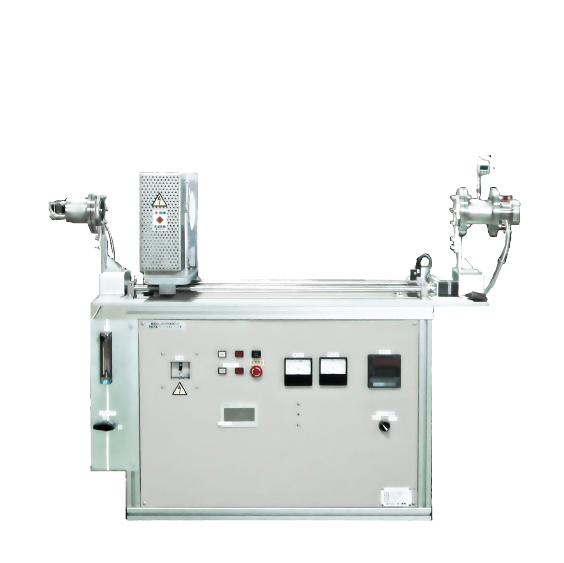
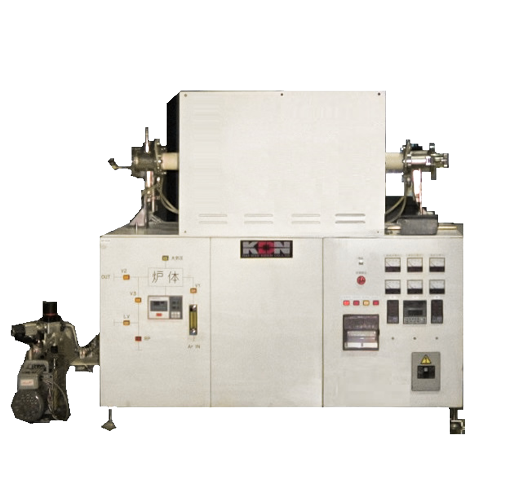
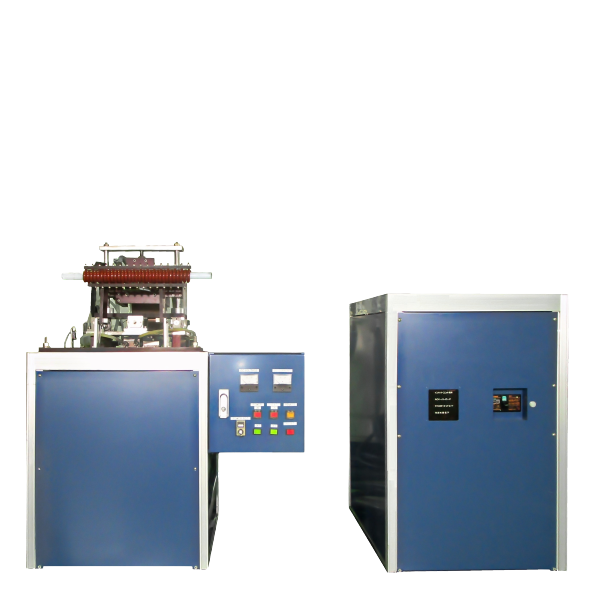
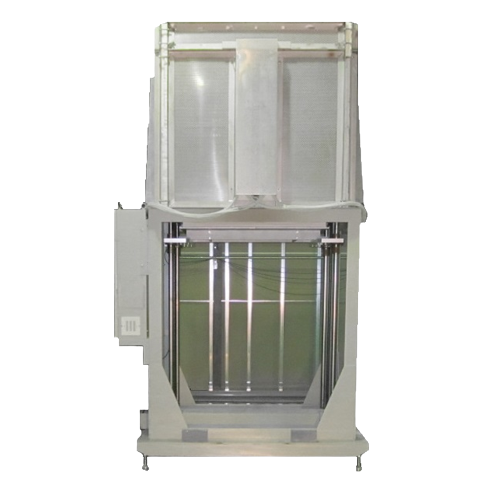
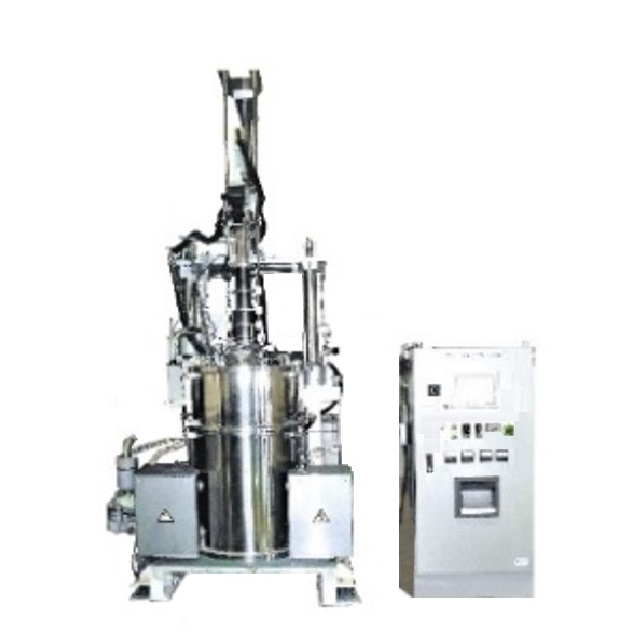
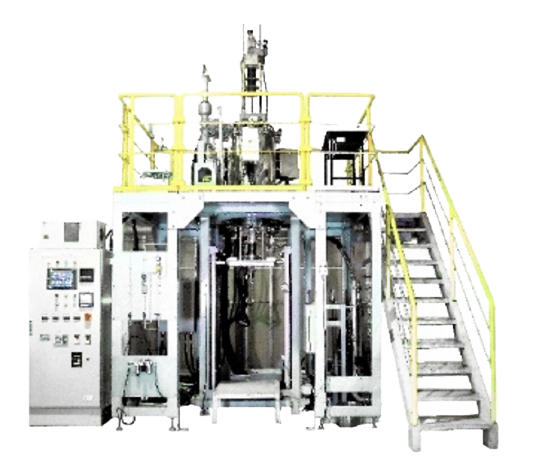
The Open Lab provides a wide range of equipment capable of operating at temperatures from 400°C to 3000°C, supporting diverse applications such as melting, hot pressing, hot stamping, and crystal growth. All systems are maintained in a ready-to-use condition, along with the necessary infrastructure.
In addition to serving as a test and validation environment for customers considering new equipment installation, the facility also supports small-lot contract production.
We also welcome inquiries such as “I’d like to learn more” or “I’d like to schedule a visit.”

  • Fully Equipped and Ready for Immediate Testing

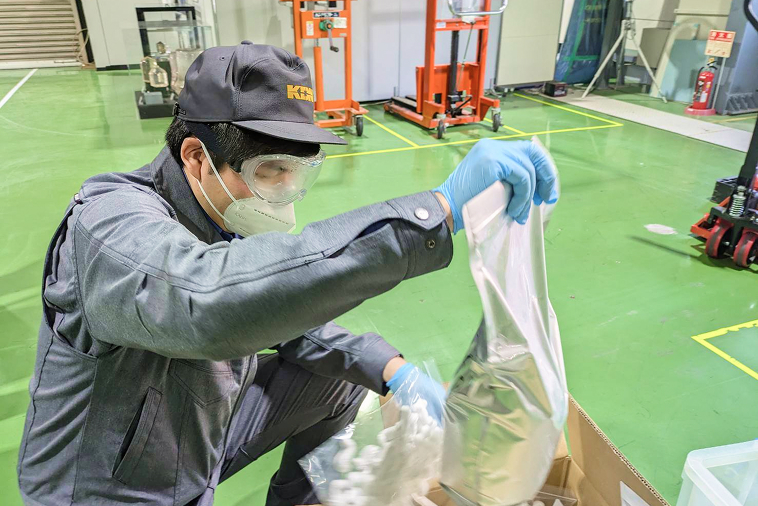
    All equipment is maintained in an operational state, with complete supporting infrastructure. The environment is optimized for experimentation, allowing you to begin testing smoothly and without delay.

  • Convenient and Comfortable Workspace

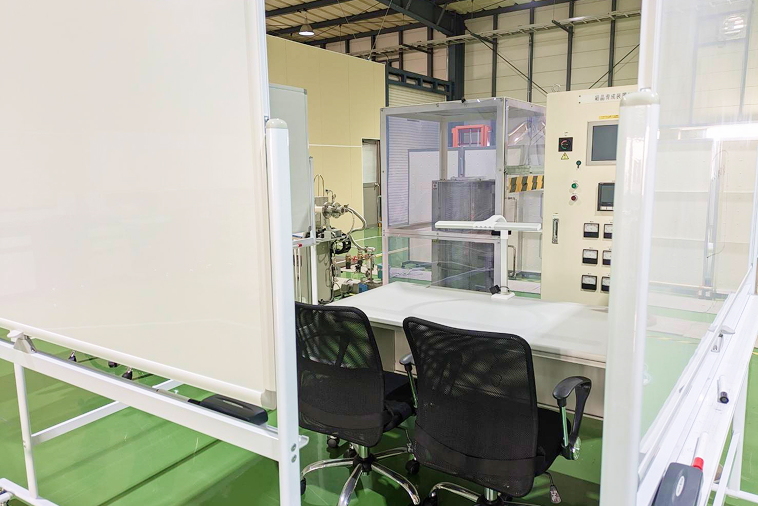
    Each piece of equipment is equipped with its own workbench, and consumables as well as basic tools are available for use. Rest areas are also provided, allowing for long-duration experiments.

  • Expert Support and Privacy Assurance

    You can consult with our specialized engineers regarding experimental conditions. In addition, the rest areas are shielded from view, providing a privacy-conscious environment for your experiments.


Use Cases

  • Process Optimization for Product Development

    Pre-evaluate optimal temperature conditions and processing time

  • Pre-Installation Validation

    Verify performance to support equipment investment decisions

  • Comparative Testing (Condition A/B)

    Optimize processes through comparison of multiple conditions

  • Short Lead-Time Evaluation

    Support urgent testing requirements

  • Contract Testing Services

    Testing can be conducted on your behalf when on-site attendance is difficult

  • Ultra-High Temperature Applications

    Testing and evaluation available up to 3000°C

Based on test results, we support equipment development tailored to your specific requirements.

Flexible Experiment Styles
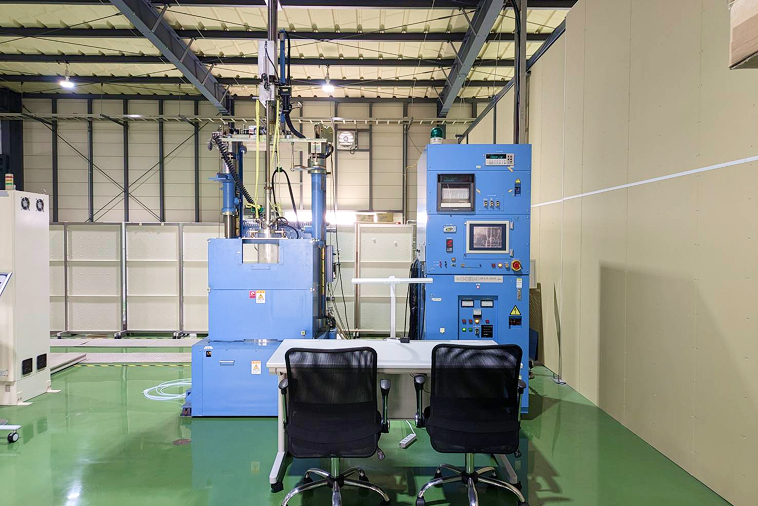
On-Site (Supervised Testing)

Visit our facility and adjust conditions while operating the actual equipment.
Results can be monitored in real time.

Best For

  • Face-to-face discussions
  • Immediate condition adjustments
  • Hands-on equipment operation

Contract-Based (Fully Managed Testing)

No on-site work required on your end.
Obtain expert data efficiently while minimizing internal resources.

Best For

  • End-to-end execution by experts
  • Detailed analytical reports
  • Reduced workload

Self-Service (Independent Use)

Operate the equipment yourself and conduct experiments under conditions tailored to your needs.
All necessary infrastructure is in place, allowing you to start smoothly.

Best For

  • Consumables and basic tools available (no preparation required)
  • Work desks and rest areas provided
  • Privacy-conscious setups available with enclosed workspaces

Temperature Simulation

  • Tools: PHOENICS / JMAG
  • Features: Cost Reduction / Rapid Validation

By understanding heat transfer behavior, temperature distribution, and the impact of heating conditions in advance, simulation reduces the number of physical experiments and helps you reach optimal conditions faster.
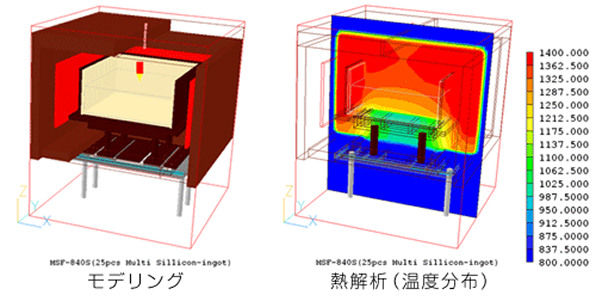
Furnace Thermal Analysis

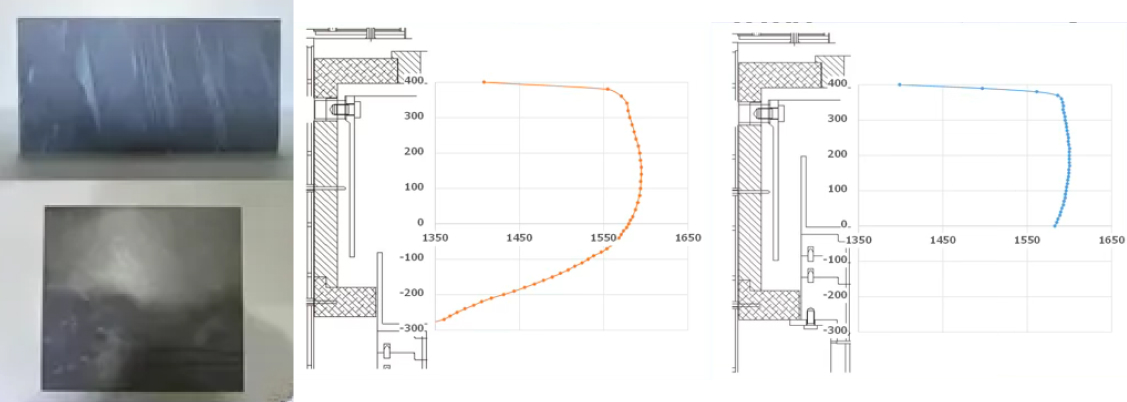
The hot zone configuration inside the furnace is designed on a computer, and the required temperature distribution is simulated. Existing hot zones can also be analyzed, enabling prediction of internal temperature environments that are difficult to measure.
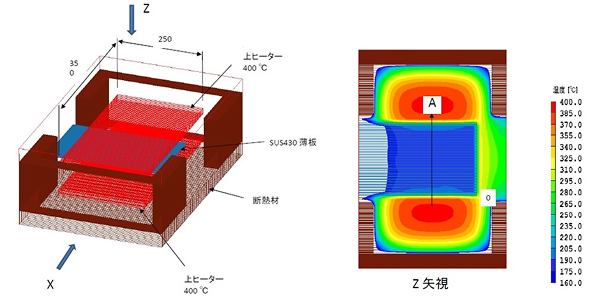
Continuous Heat Treatment Furnace Analysis

Using JMAG, a wide range of electromagnetic induction heating scenarios can be simulated. In addition to power supply design parameters (power, inductance, load resistance), the temperature distribution of the workpiece can also be analyzed.
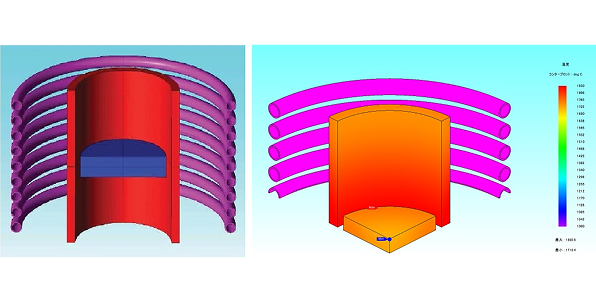
Other Case Studies (High-Frequency Coil Simulation)

By modeling the combination of high-frequency heating coils and furnaces, heating efficiency and temperature uniformity can be analyzed. This enables optimization of coil configurations.

Equipment List

Experiments can be conducted using the most suitable equipment according to your samples and applications. Our engineers provide full support—from experimental design to analysis.
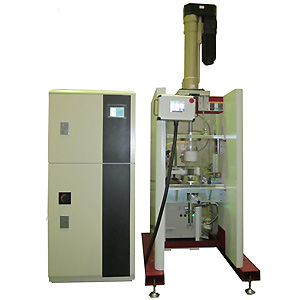
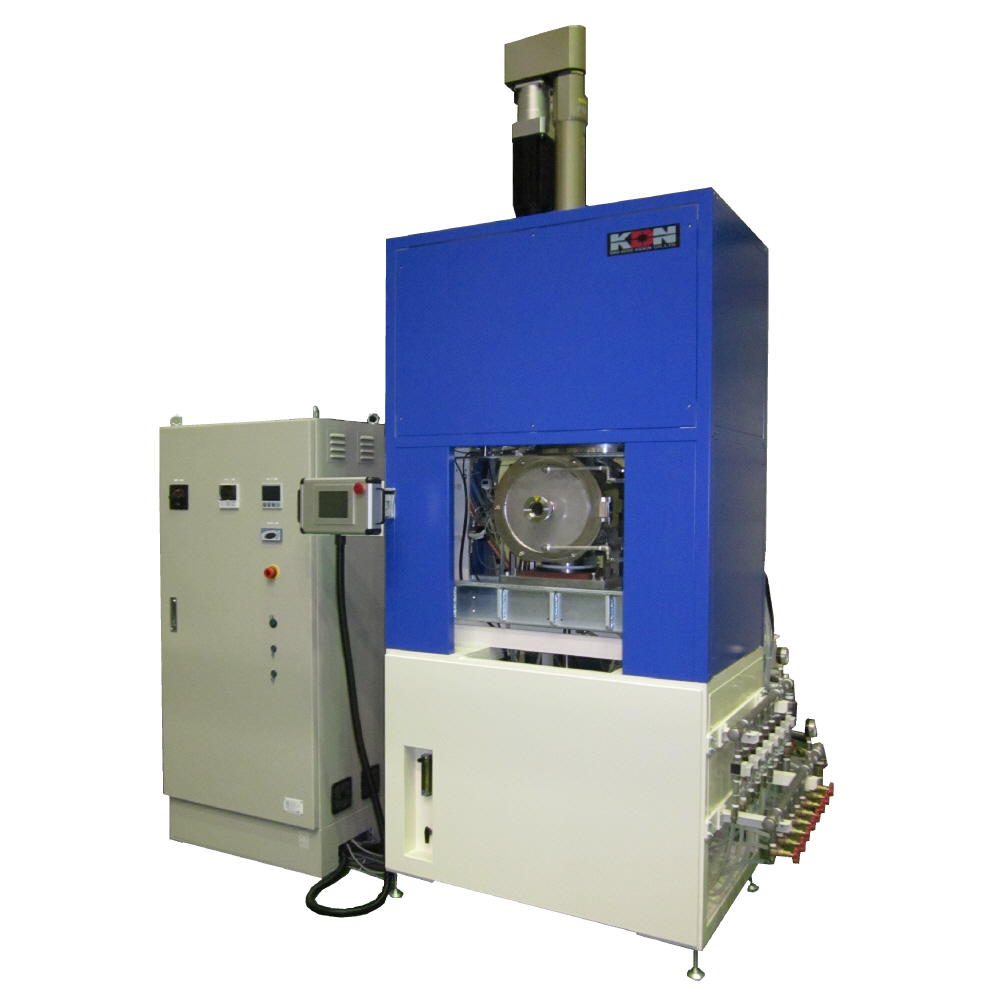
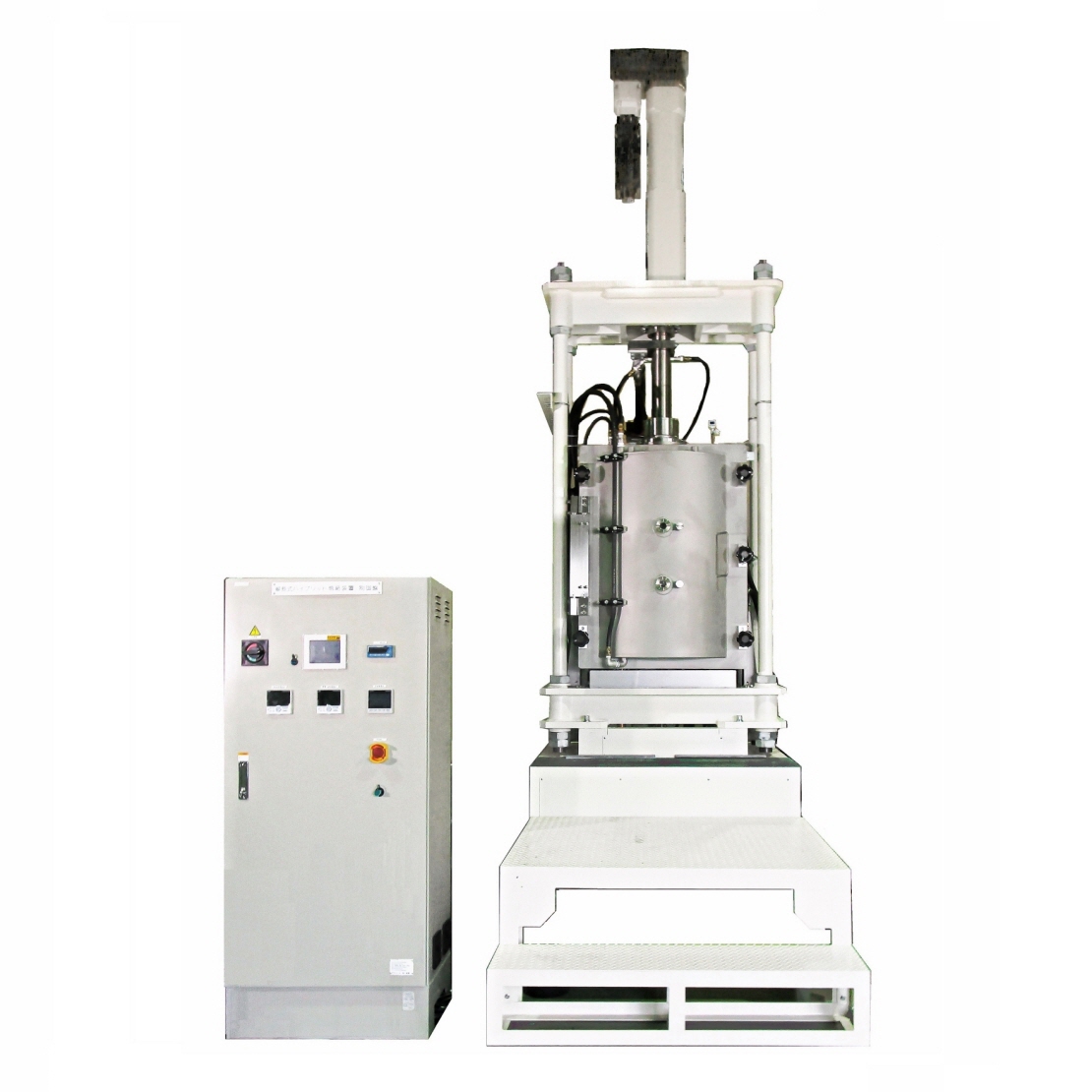
Hybrid type sintering machine (batch type)

Main Specifications

HF power supply
10kW, approx. 13kHz
Pulse power
8000A
Temperature
1500℃
Target size
Φ20(100MPa)
Servo press
Maximum thrust 50kN(continuous 50KN)
Atmosphere
Vacuum or inert atmosphere (Ar)
弊社独自開発の連続焼結機能

Hybrid type sintering machine (continuous type)

Main Specifications

HF power supply
20kW, approx. 12.5kHz
Pulse power
2000A
Temperature
2000℃
Process
8 consecutive
Target size
IDΦ50(25MPa)、IDΦ20(100MPa)
Servo press
Maximum thrust 50kN
Atmosphere
Vacuum or inert atmosphere (Ar)

Hybrid type sintering machine

Main Specifications

HF power supply
40kW、approx. 7kHz
Pulse power
6000A
Temperature
2000℃
Process
1 time
Target size
IDΦ50(100MPa)
Servo press
Maximum thrust 200kN
Atmosphere
Vacuum or inert atmosphere (Ar)

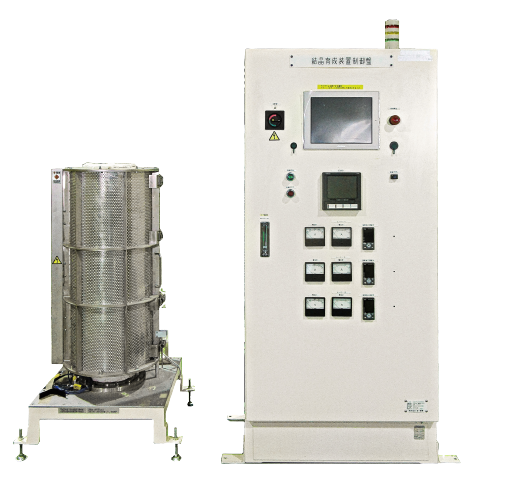
3-zone VGF furnace

Main Specifications

Heating source
Metal heater, 3 zone
Temperature
1000℃
Temperature measurement
K thermocouple
Atmosphere
Vacuum or inert atmosphere
Crucible
Quartz、Φ160×500H(outside)

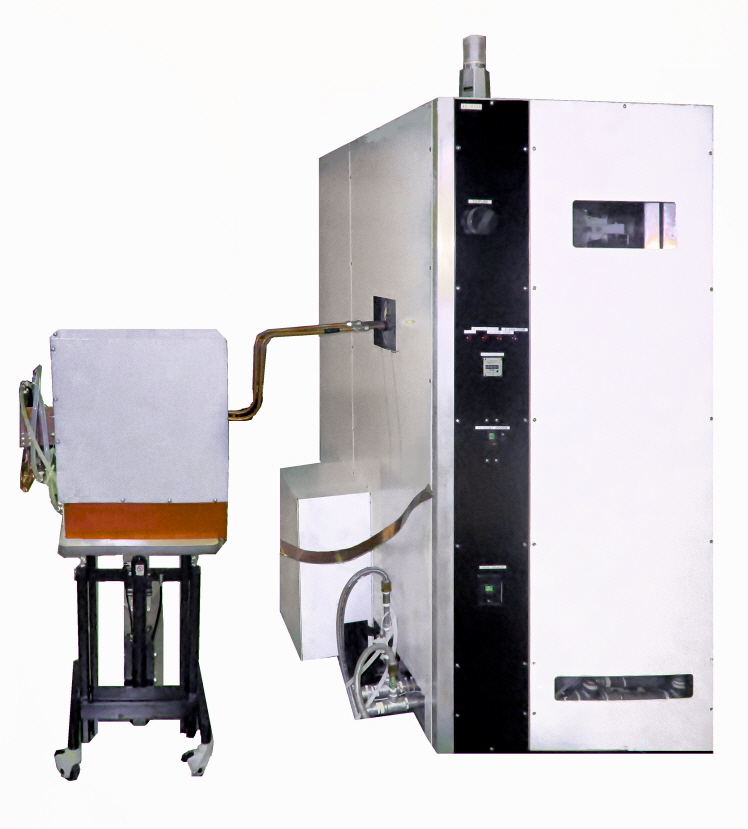
Ultra high temperature furnace

Main Specifications

HF power supply
20kW、approx. 10kHz
Temperature
Max. 3500℃
Heating rate
Max. 200℃/min to 3000℃(average)
Temperature measurement
2 color radiation thermometer
Atmosphere
Vacuum or inert atmosphere (Ar)
Crucible
Carbon、Φ50×50H(inside)

Hot stamping equipment

Main Specifications

HF power supply
30kW, 30~250kHz, Using SiC-FET (module)
Temperature
Max. 1000℃ (depending on material)
Press unit
Hydraulic 200kN, Stroke 250㎜, die height 500㎜
Mold dimensions
600㎜×500㎜
Electric actuator
Transport mechanism
X axis: transport speed Max. 1100㎜/sec, stroke 500㎜
Y axis: transport speed Max. 500㎜/sec, stroke 500㎜

Horizontal zone heating furnace

Main Specifications

Heating source
Metal heater
Temperature
1100℃(雰囲気700℃)
Temperature measurement
R temperature
Atmosphere
Vacuum or inert atmosphere
Heater drive
0.1~300㎜/min
Core tube
IDΦ50×1200L

Horizontal tubular furnace

Main Specifications

Heating source
Metal 1500, 3 zone 
Medium heater control (Bias at both ends)
Temperature
1400℃
Temperature measurement
B thermocouple
Core tube
IDΦ55×700L, alumina dense

Wire heating equipment

Main Specifications

HF induction power
30kW, approx. 20kHz
Temperature
400℃
Heating coil
IDΦ25×360L、 IDΦ85×360L

Atmosphere firing furnace

Main Specifications

Heating source
Metal heater
Temperature
950℃
Temperature measurement
B thermocouple
Inside dimensions
□1100×1000H
Atmosphere
Air atmosphere

High temperature melting furnace

Main Specifications

Heating source
Carbon heater, 2 zone(independent control)
Temperature
2200℃
Temperature measurement
2 color radiation thermometer
Atmosphere
Ar substitution after evacuating
Upper shaft drive
Rotation speed 0.1~10.0rpm
low speed 0.1~5.0㎜/hr,
high speed 2.0~200㎜/min 
Crucible
Φ270×280H(outside)

Bridgman furnace

Main Specifications

Heating source
Carbon heater
Temperature
1700℃
Temperature measurement
B thermometer
Atmosphere
High vacuum or inert atmosphere
Crucible
□220×220H
Crucible drive
Low speed 1 to 100㎜/hr,
high speed 6 to 600㎜/min, stroke 280㎜

4-zone bridgman furnace

Main Specifications

Heating source
Metal heater, 4 zone
Temperature
900℃
Temperature measurement
K thermocouple
Atmosphere
Air atmosphere
Crucible
Quartz, Φ160×500H(outside)
Crucible drive
Low speed 0.1~10mm/hr,
high speed2~200mm/min

Large type unidirectional solidifying furnace

Main Specifications

Heating source
Carbon heater
Temperature
1650℃
Temperature measurement
B thermometer
Pressure control
65~95kPa
Atmosphere
Vacuum or inert atmosphere (Ar)
Crucible
□1000×400H
Crucible drive
0.1~5 or 2~200㎜/min, stroke 220㎜

High frequency heating furnace
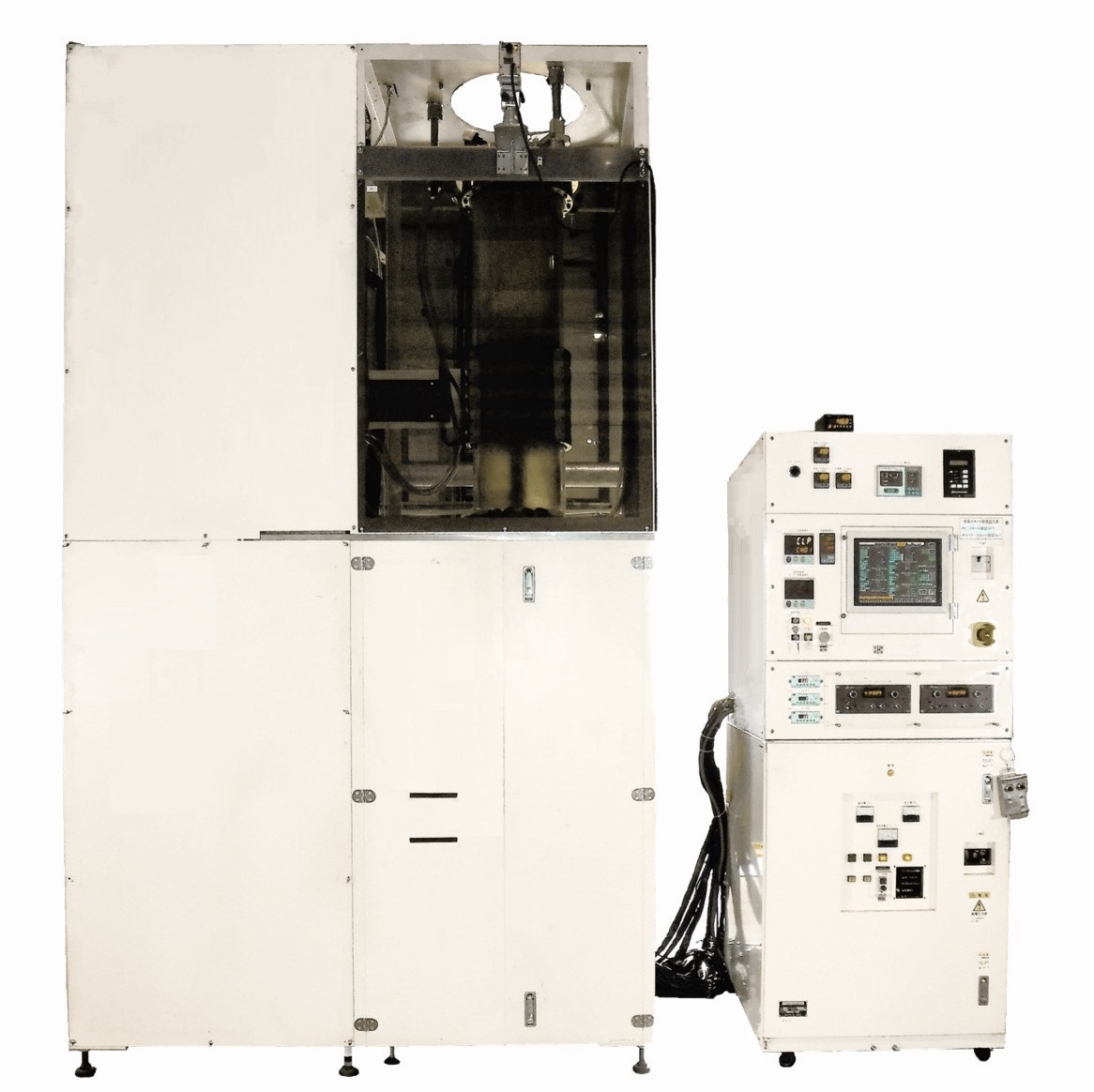
Main Specifications

HF power supply
30kW、approx. 20kHz
Temperature
1900℃
Temperature measurement
2 color radiation thermometer
Atmosphere
Inert atmosphere
Crucible
Φ50x50H(outside)

1 inch CZ furnace

Main Specifications

HF power supply
40kW、approx. 11kHz
Temperature
2000℃
S/L axis lift
0.2~20㎜/min
S/R axis rotation
0.6~60rpm
Atmosphere
Vacuum or inert atmosphere
Crucible
Ir, φ60×60H(outside)
Load cell
3kg, resolution 1/100,000

Vacuum heating furnace

Main Specifications

HF power supply
50kW、approx. 7kHz
Temperature
2700℃
Temperature measurement
2 color radiation thermometer
Chamber
Double-quartz tube water-cooling chamber
Vacuum
RP+TMP
Pressure control(Ar)
Range 1~100torr±1torr
Crucible
Carbon, Φ180×220H(outside) 
Crucible drive
Rotation:0.1~10 rpm (CW)

Vacuum tube HF power supply

Main Specifications

Output
0~40kW(200kHz), 0~20kW(400kHz)
Frequency
approx. 200kHz or approx. 400kHz

Sample Experiments

Alloy Fabrication by Directional Solidification
Overview

Alloy ingots ranging from 200mm to 800mm are produced using a directional solidification furnace. Silicon is melted at 1550°C, enabling the formation of highly precise crystals through directional solidification.

Main Specifications

Temperature
1550℃
Solidification method
Directional Solidification
Supported ingot sizes
φ200~800mm

Results

Successful production of φ156mm crystal Ingot

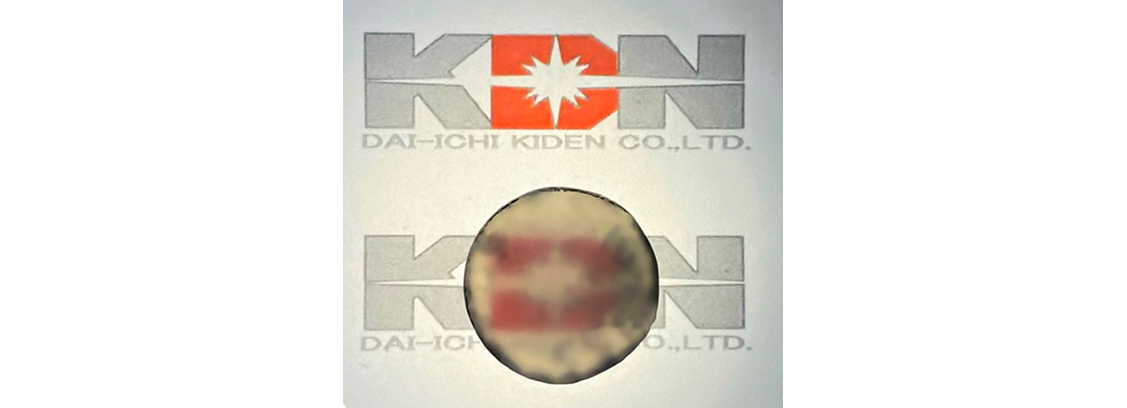
Sintering of Hydroxyapatite (HAP)

Overview

HAP powder is densified by pressure-assisted die sintering at 900°C, producing a semi-transparent sintered body.

Main Specifications

Sintering temperature
900℃
Pressure
100MPa
Heating rate
10℃/min
Keeping time
30min
Sample
2.5g

Results

Semi-transparent sintered body, density: 2.5g/cm³ (Archimedes method)

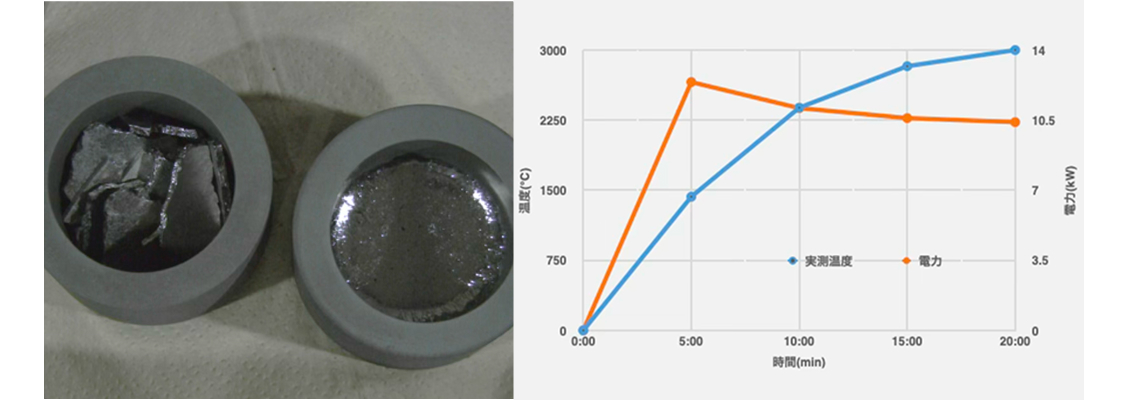
Ultra-High Temperature Heat Treatment Using Graphite Crucible
Overview

A carbon crucible is heated up to 3000°C by high-frequency induction heating, enabling graphitization treatment.

Main Specifications

Maximum temperature
3000℃
Heating time
20min
Power
12.5kW

Results

Successful heat treatment of high-melting-point materials

Uniform Heat Treatment by Eddy Current Heating

Overview

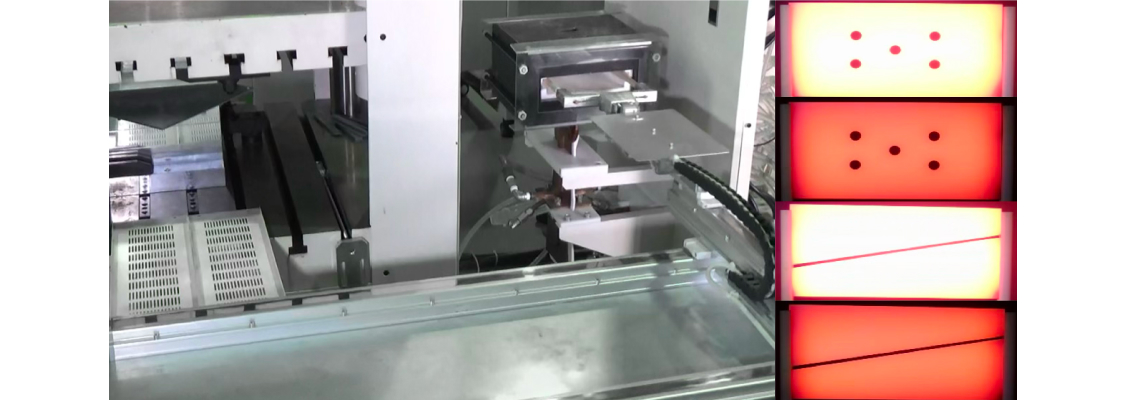
Eddy currents are induced using a dedicated coil and magnetic field, enabling uniform heating of perforated and deformed plates.

Main Specifications

Heating method
Eddy Current Induction Heating
Workpieces
Perforated plates / Deformed plates, etc.

Results

Uniform heating with reduced temperature variation across the workpiece

How to Use

  1. 1

    Contact Us

    Please fill out the form with your details.

  2. 2

    Review

    We will review your information internally.

  3. 3

    Hearing / Consultation

    We confirm details based on your objectives and requirements.

  4. 4

    Execution

    Verification experiments are conducted according to your conditions.

Consult About Experiments

Ease your concerns before introducing equipment!
Feel free to contact us for an initial consultation.

For Those Considering Equipment Outside the Lab

All equipment can be customized to suit your applications and conditions.
Check the product lineup to see the features of each device.